Two Pathways, One Goal: How Fuelfix’s Strategy Has Evolved to Meet the Changing Energy Needs of Australian Industry

25.08.2026 By Fuelfix Company Updates GO BACK

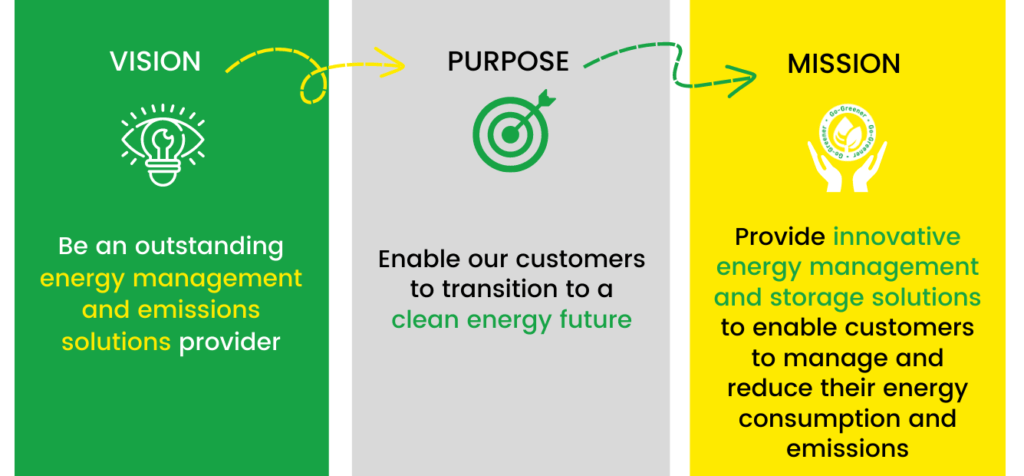
Helping customers use energy more efficiently, today and into the future

At Fuelfix, our strategy has always been guided by a simple principle: help customers improve the way they store, manage and use energy.

When we launched our Two Pathways, One Goal strategy in 2022,

we recognised that Australian industry was entering a period of significant change. Customers were beginning to explore new technologies, new fuels and new approaches to reducing emissions, while still relying heavily on diesel and traditional energy infrastructure to keep operations running.

The strategy acknowledged two realities:

  • Customers still needed reliable fuel infrastructure, fuel management and hydrocarbons expertise.
  • Customers would increasingly require support to improve efficiency, reduce emissions and adopt new energy technologies.

 
While the pathways have evolved over time, the goal remains unchanged: delivering practical energy outcomes that improve efficiency, resilience and long-term sustainability.

What Two Pathways, One Goal meant when it was launched

 
When the strategy was first introduced, Fuelfix committed to continuing to drive value for customers through hydrocarbon solutions while building capability in emerging energy technologies and alternative energy solutions.

At the time, many organisations were focused on reducing emissions and understanding how renewable energy, battery storage and energy optimisation technologies could fit within their operations.

Fuelfix’s approach was never about promoting one technology over another.

Instead, it was about helping customers make practical decisions based on their operational requirements, site conditions and commercial objectives.

That philosophy remains central to how we work today.

How the strategy has evolved

 
Since 2022, customer priorities have broadened.

While decarbonisation remains important, organisations are increasingly looking for solutions that address multiple objectives at the same time, including:

  • Operational efficiency
  • Fuel security
  • Business continuity
  • Energy resilience
  • Cost management
  • Safety improvements
  • Sustainability and emissions reduction

 
Global supply disruptions, rising energy costs and increased pressure to improve productivity have reinforced the importance of balancing environmental outcomes with operational realities.

As a result, Fuelfix has evolved from a traditional fuel solutions provider into an integrated energy solutions partner, supporting customers across the full energy management lifecycle.

Today, our focus is helping customers improve how energy is stored, monitored, managed and consumed across their operations.


Supporting both pathways

 
The idea behind Two Pathways, One Goal remains as relevant as ever because there is no single pathway to better energy outcomes.

For some businesses, the greatest opportunity lies in improving the efficiency of existing fuel infrastructure.

This may involve:

  • Improving fuel visibility and reporting
  • Reducing fuel losses and inefficiencies
  • Strengthening fuel security
  • Enhancing fuel storage capability
  • Introducing fuel management systems
  • Improving maintenance and operational processes

 
For others, opportunities may exist to integrate technologies such as:

 
Both pathways can deliver meaningful benefits when implemented appropriately.

The objective is not to force change for the sake of change. The objective is to help customers achieve practical outcomes that support operational performance today while preparing for future requirements.


From fuel management to integrated energy solutions

 
Fuel management remains a critical part of how many organisations operate.

Industries such as mining, civil construction, infrastructure, transport and regional operations continue to depend on reliable fuel supply, efficient fuel storage and accurate fuel monitoring.

Improving fuel efficiency often delivers immediate benefits through:

  • Reduced operating costs
  • Improved equipment performance
  • Better fuel accountability
  • Reduced downtime
  • Stronger operational planning

 
Fuel management systems, fuel storage infrastructure and fuel analytics continue to play an important role in helping organisations optimise energy use and improve operational efficiency.

At the same time, customers are increasingly exploring how energy storage, hybrid technologies and alternative energy solutions can further improve resilience and reduce overall energy consumption.

Fuelfix supports both requirements through a combination of equipment, systems, services and technical expertise.

Integrated Energy and Fuel Solutions displayed on a pocture including fuel tatnks, BEESS batteries, solar arrays and Hybrid power systems


Delivering practical outcomes

 
Our strategy today is deliberately customer-led rather than product-led.

Every project begins with understanding the operational challenge and identifying the most practical solution.

For some customers, that means strengthening fuel infrastructure and improving fuel security.

For others, it may mean introducing hybrid energy solutions, battery storage or energy optimisation technologies.

Increasingly, it means combining multiple solutions as part of an integrated energy strategy.
For example, during a remote mine expansion project, Fuelfix delivered a temporary fuel infrastructure solution that helped the customer maintain uninterrupted operations while reducing fuel transport requirements. The project demonstrated how practical fuel management, storage and delivery solutions can improve operational efficiency and support better energy outcomes without compromising reliability.

This approach allows customers to improve efficiency, reduce operational risk and support sustainability objectives without compromising reliability or productivity.

Looking ahead

 
Australia’s energy landscape will continue to evolve.

Technologies will change, energy systems will become increasingly connected and customer requirements will continue to shift.

Fuelfix’s role is not to predict a single future.

Our role is to help customers navigate change with confidence by providing practical fuel and energy solutions that deliver measurable value.

The Two Pathways, One Goal strategy continues to guide that approach.

Whether the solution involves improving fuel efficiency, strengthening energy resilience, reducing operating costs or supporting decarbonisation objectives, the goal remains the same:

Helping customers optimise the way they store, manage and use energy.
 
Ready to improve the way your organisation stores, manages and uses energy?

Whether you’re looking to strengthen fuel security, improve operational efficiency or explore integrated energy solutions, our team can help identify the most practical path forward.

Talk to the Fuelfix team about your fuel and energy requirements.

GOT A QUESTION?

Frequently Asked Questions

What is the Two Pathways, One Goal strategy?

Two Pathways, One Goal is Fuelfix's strategic approach to helping customers improve energy outcomes through both traditional fuel solutions and emerging energy technologies.

How has the strategy evolved?

The strategy has evolved from a primary focus on energy transition toward a broader focus on energy efficiency, fuel security, operational resilience, sustainability and integrated energy solutions.

What industries does Fuelfix support?

Fuelfix supports customers across mining, civil construction, infrastructure, transport, logistics, government and industrial sectors.

What solutions does Fuelfix provide?

Fuelfix provides fuel storage infrastructure, fuel management systems, maintenance services, energy monitoring, hybrid power solutions, battery energy storage systems and other energy optimisation solutions.

Why is energy resilience becoming more important?

Rising energy costs, supply-chain uncertainty and increasing operational demands mean organisations are placing greater emphasis on reliability, fuel security, business continuity and efficient energy use.