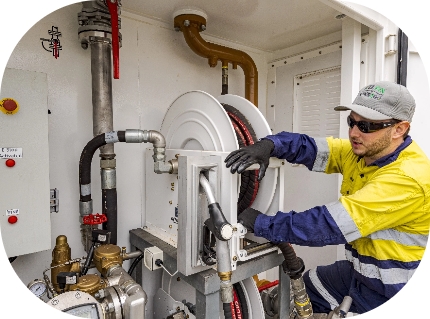

In remote site operations such as mining and construction, powering crib huts and essential facilities has long relied on diesel generators. While they offer a simple setup, traditional gensets come with significant operational costs and environmental downsides. As sustainability and efficiency become core business priorities, many companies are exploring hybrid systems that combine battery storage with a generator.
This white paper uses real data from a crib hut power assessment to compare the total cost, fuel consumption, maintenance requirements, and emissions between a traditional 30kVA diesel generator and Fuelfix Hybrid Power Systems. The results show that moving to a hybrid model is not only more sustainable but also more cost-effective and operationally efficient.
Understanding the Site’s Power Needs
The daily energy requirement for the crib hut is 81 kilowatt-hours. This demand was estimated based on typical equipment used onsite. While actual usage can vary slightly, the calculation gives a realistic foundation for system comparison
Equipment Load Breakdown
- Two wall-mounted air conditioners consume 58 kilowatt-hours
- A wall-mounted hot water system adds 10 kilowatt-hours
- Two fridges account for 4 kilowatt-hours
- Other appliances like a pie warmer, microwave, toaster, ice maker, and sandwich press make up the remaining 9 kilowatt-hours
Together, these devices run daily operations for onsite staff and contribute to a total load of 81 kilowatt-hours per day.
The Current Model: 30kVA Diesel Generator
A standard 30kVA diesel genset running around the clock provides continuous power but at a cost. Because the generator is designed for higher loads, it runs inefficiently when only supplying 81 kilowatt-hours a day. This results in excess fuel usage and premature wear on the equipment.
Performance Metrics
- The generator runs 24 hours a day
- It operates at only 14 percent of its capacity
- Fuel consumption is 2.6 litres per hour
- This totals 62 litres of fuel used each day
Operational Costs
- At $1.5 AUD per litre*, daily fuel costs reach $93 AUD
- Weekly fuel spend is $651 AUD
Annual Outlook
- Annual fuel use is 22,630 litresAnnual fuel cost is $33,945 AUD*
- The genset emits 61 tonnes of carbon dioxide each year
- It requires maintenance every 500 hours which means a service every 21 days (17 times a year)
This traditional model is simple but wasteful. The generator burns fuel even when the site has low power demand and it suffers from shortened life due to inefficient usage.
The Fuelfix Hybrid Power Solution
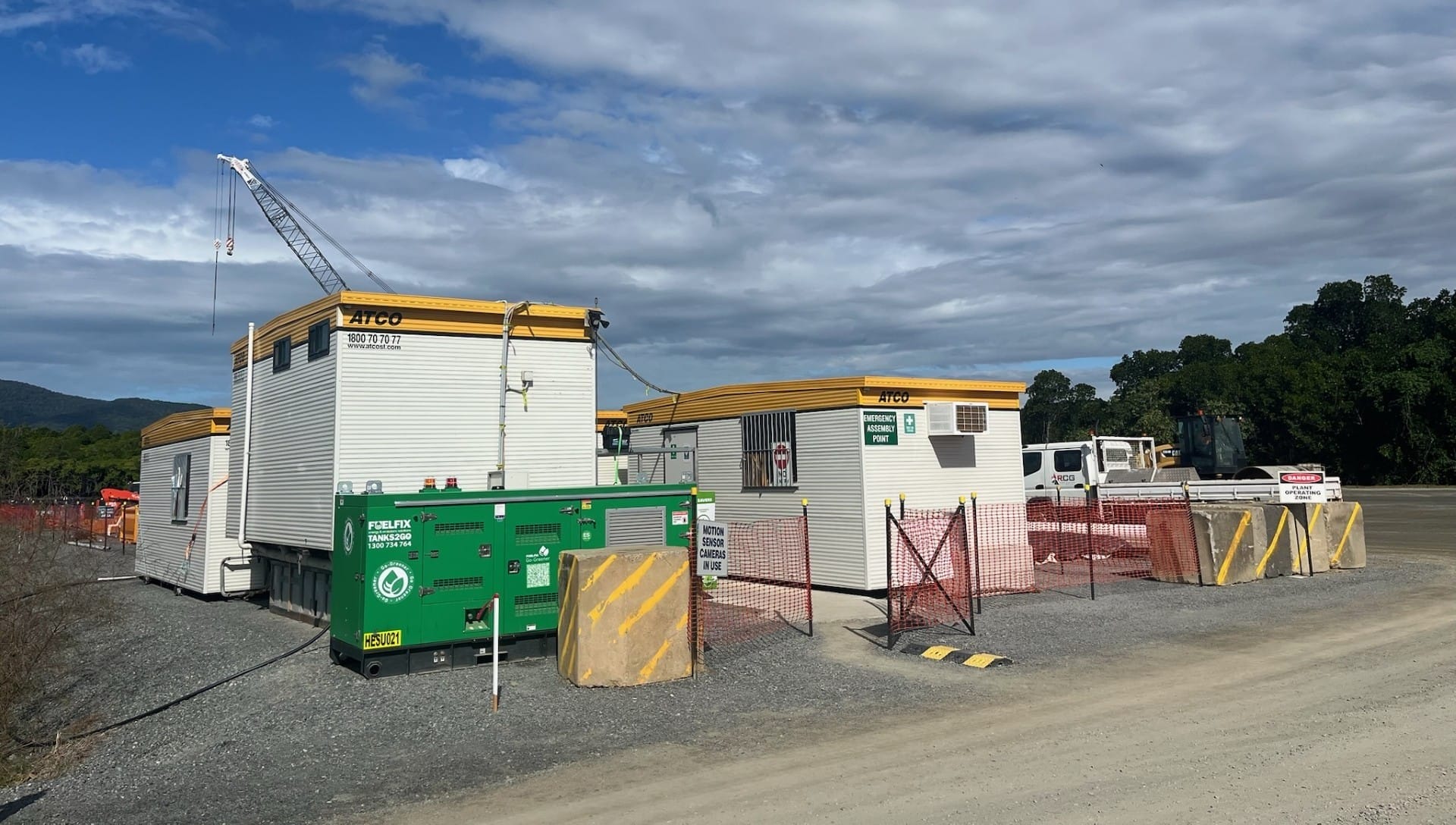
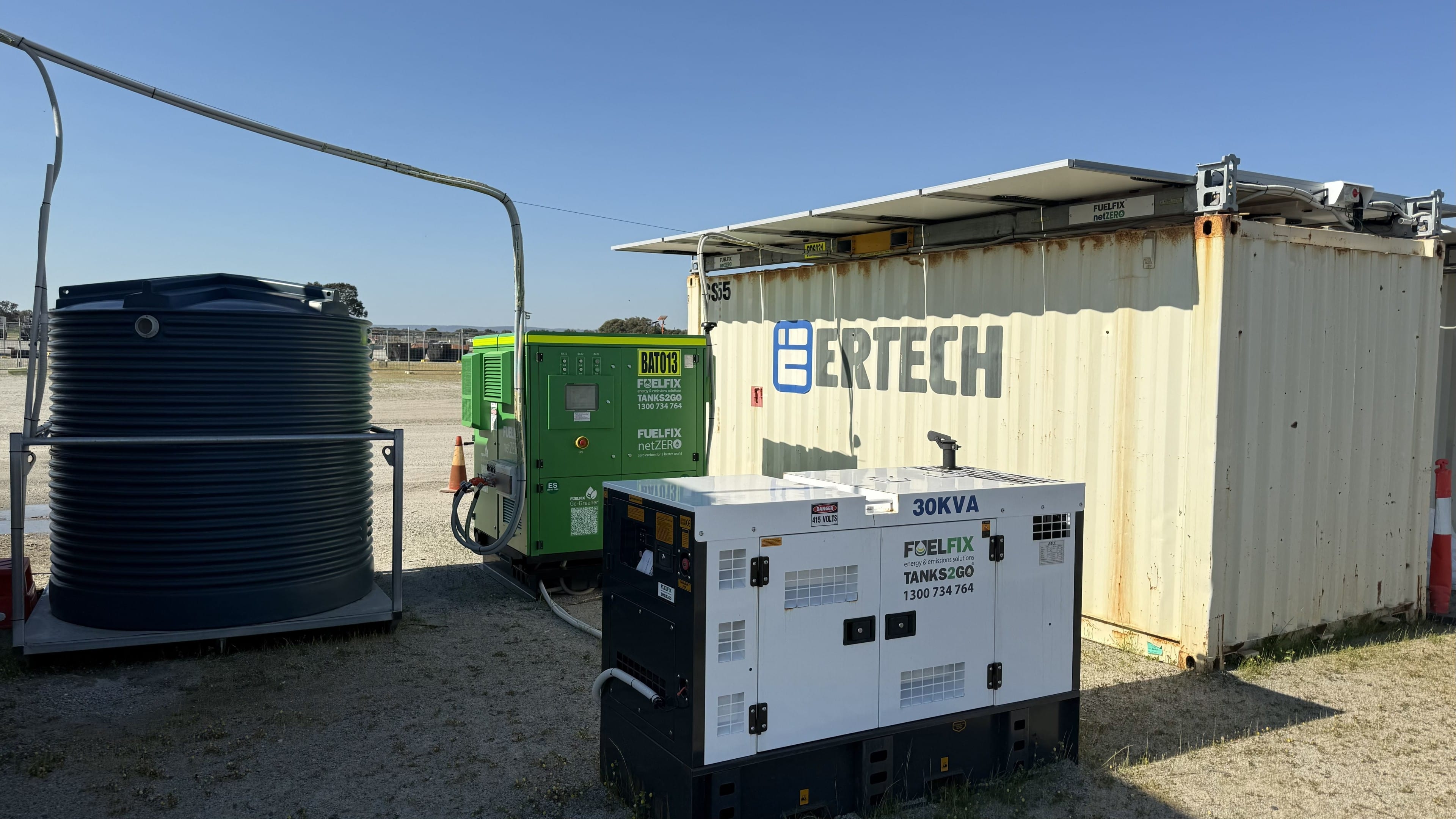
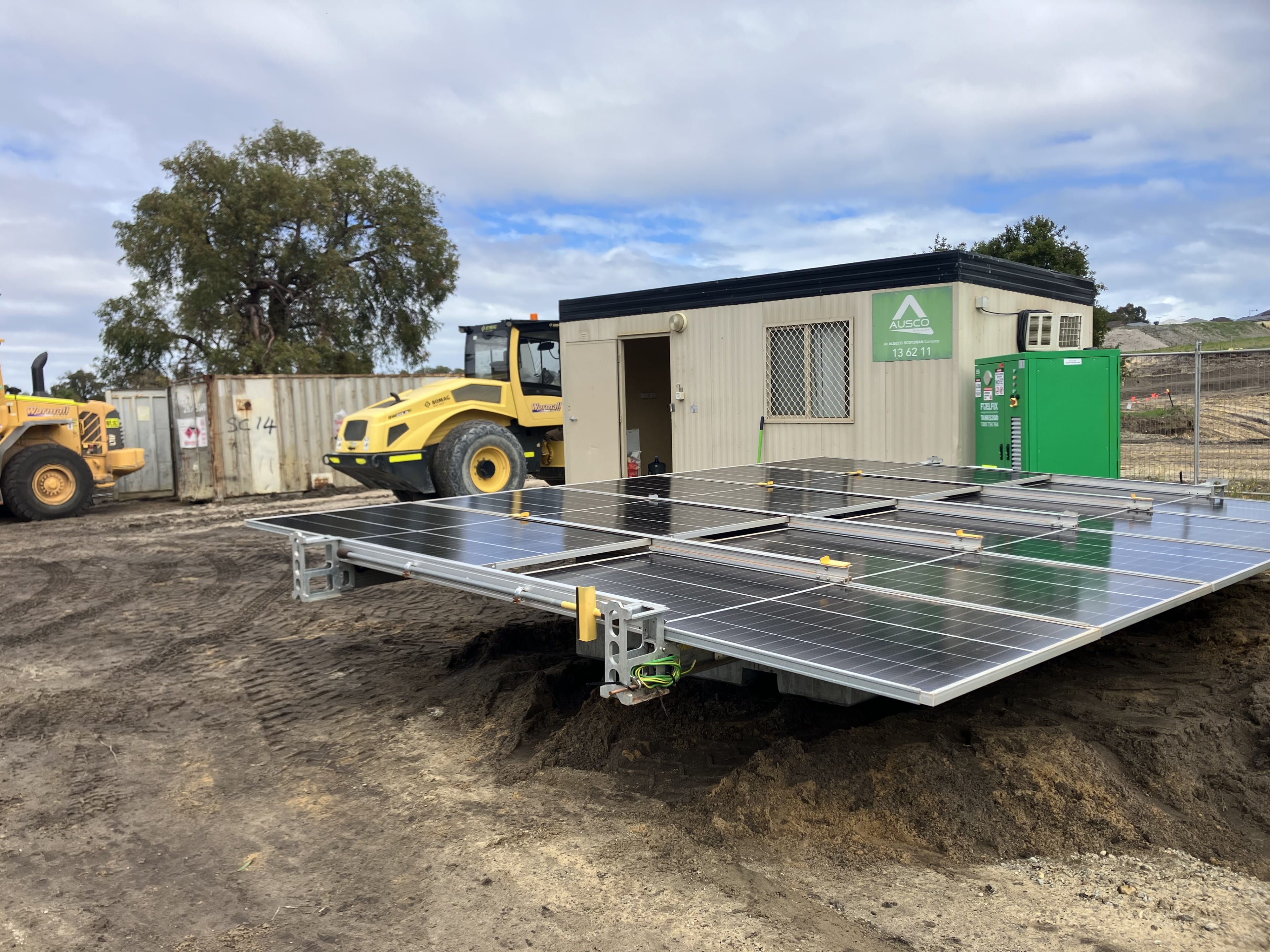
The Fuelfix Hybrid System delivers a consistent power rating of 30 kVA with integrated battery storage of 40 kWh. Unlike a traditional genset operating continuously, the generator runs only when required to recharge the battery. The battery then supplies power to the load, dynamically matching demand and eliminating energy waste. This approach significantly reduces generator runtime, fuel consumption, and mechanical wear, resulting in improved efficiency and lower operating costs.
How It Works
- The 81 kilowatt-hours daily load is met through the solution
- The generator runs only to recharge the batteries when necessary, which takes around 4.4 hours
- At 75 percent load, the genset burns 5.2 litres per hour
- This results in daily fuel usage of 23 litres
Operational Costs
- Daily fuel cost is $46 AUD
- Weekly fuel spend is $322 AUD
Annual Outlook
- Annual fuel use drops to 8,395 litres
- Annual fuel cost is $12,592 AUD
- Emissions drop to 23 tonnes of carbon dioxide per year
- Maintenance intervals are extended to every 113 days since the generator operates only 4.4 hours a day (3 times a year)
Head-to-Head Comparison
Here is how the two systems compare across key metrics.
- Fuel use drops by 14,235 litres per year with the hybrid
- Weekly fuel costs fall by $329 AUD
- Annual fuel savings reach $21,353 AUD
- Generator operating hours are reduced by 82 percent
- Maintenance frequency is cut by 83 percent
- Refuelling requirements fall by 75 percent
- Emissions are lowered by 38 tonnes of carbon dioxide annually
This means the hybrid system delivers better value with less environmental impact and longer asset life.
Long-Term Value
In addition to cost savings and emissions reduction, the hybrid model supports better asset management. Fewer generator hours mean longer service life. Less frequent servicing reduces technician travel and lowers safety risks. With fewer refuelling trips, the system minimises the chance of fuel spills and other incidents. It also means fewer logistical headaches for site managers.
Sustainability and Compliance
As companies move toward net-zero goals and face stricter regulatory scrutiny, hybrid power systems offer a reliable path forward. Lower emissions make reporting simpler and improve environmental performance. Using a hybrid system shows a clear commitment to smarter and cleaner operations.
Conclusion
The evidence is compelling: hybrid solutions such as Fuelfix BESS and hybrid power units deliver substantial reductions in fuel consumption, maintenance costs, and emissions compared to traditional diesel generator setups with variable loads. They are more cost-effective to operate, simpler to maintain, and significantly better for the environment.
For businesses focused on cutting costs, reducing downtime, and operating responsibly, Fuelfix Hybrid Power range offers a smarter solution. Whether you are powering a crib hut or a broader site setup, hybrid energy units should be your first choice for the future of energy on remote sites.
To discuss a hybrid setup for your business site or to request for a tailored fuel cost assessment, contact Fuelfix & Tanks2Go today at 1300 734 764 or visit www.fuelfix.com.au for more information.