
Global fuel markets are once again experiencing increased uncertainty. Ongoing disruption in the Middle East is putting new pressure on fuel supply chains, causing price volatility and supply risks for Australian businesses that rely on fuel. While the duration of disruption is unclear, the impact on fuel dependent industries is immediate.
For organisations across mining, construction, civil engineering, transport and agriculture, fuel is not optional. Without a clear contingency plan, even short term disruption can lead to downtime, lost productivity and increased operating costs.
Review your fuel contingency strategy now and ensure your operation is prepared.
What is a fuel contingency plan?
A fuel contingency plan is a strategy that ensures continuous fuel access during supply disruptions, price volatility, or delivery delays by combining onsite storage, operational efficiency, and backup energy systems.
Why fuel contingency planning matters for Australian operations right now?
Periods of global uncertainty consistently expose vulnerabilities in fuel supply. When supply tightens or pricing becomes unpredictable, businesses without adequate fuel planning are forced to react, often at a premium.
A well considered contingency fuel plan allows you to:
🟩 Maintain operational continuity
🟩 Reduce exposure to sudden price increases
🟩 Minimise reliance on just in time fuel delivery
🟩 Respond quickly without long term capital commitments
Rather than waiting for disruption to escalate, proactive planning gives your business control and flexibility when it matters most.
Building resilience through temporary fuel storage
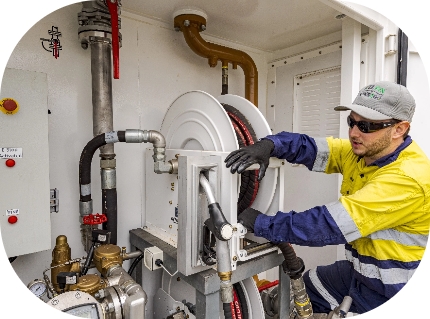
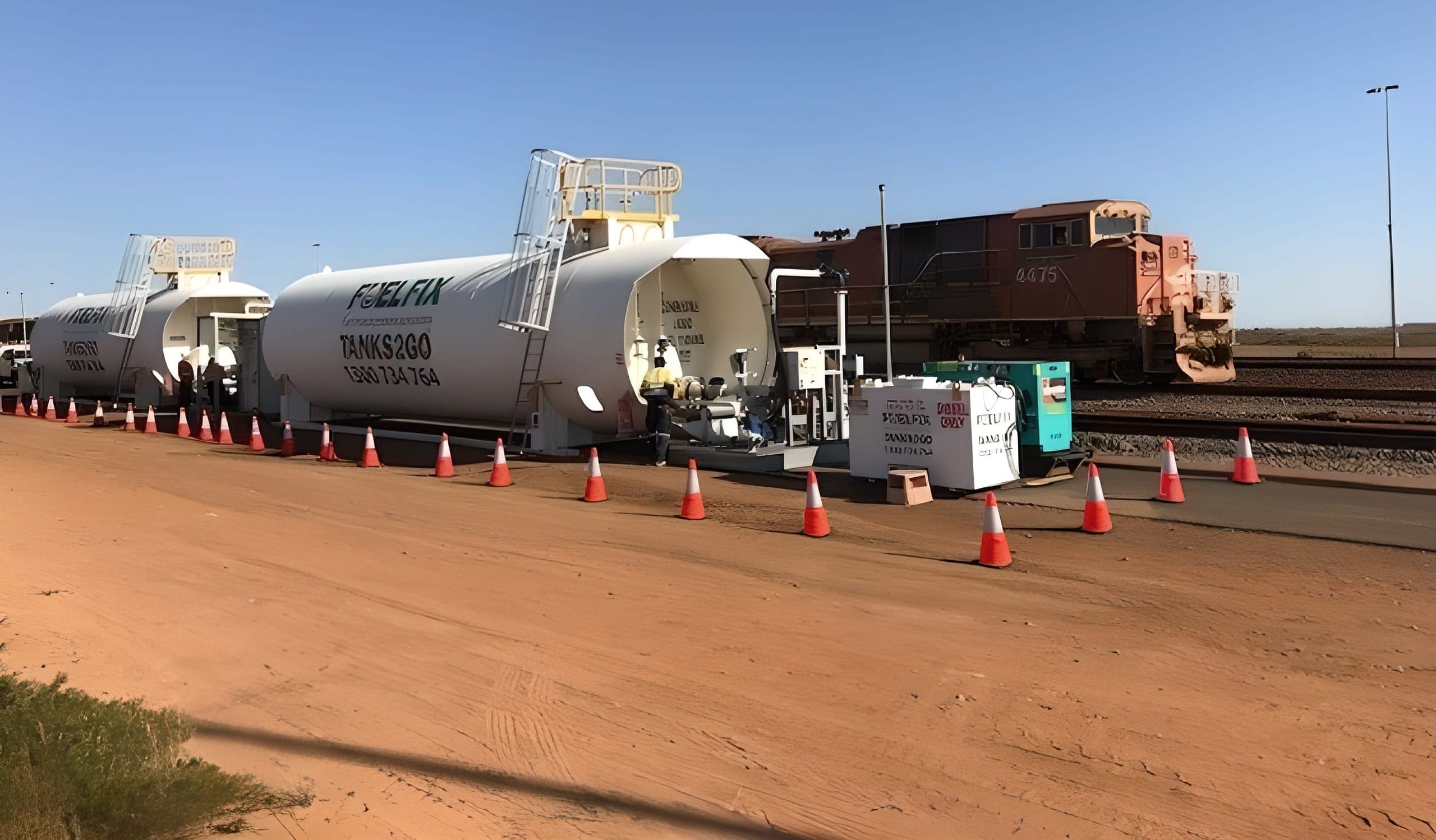
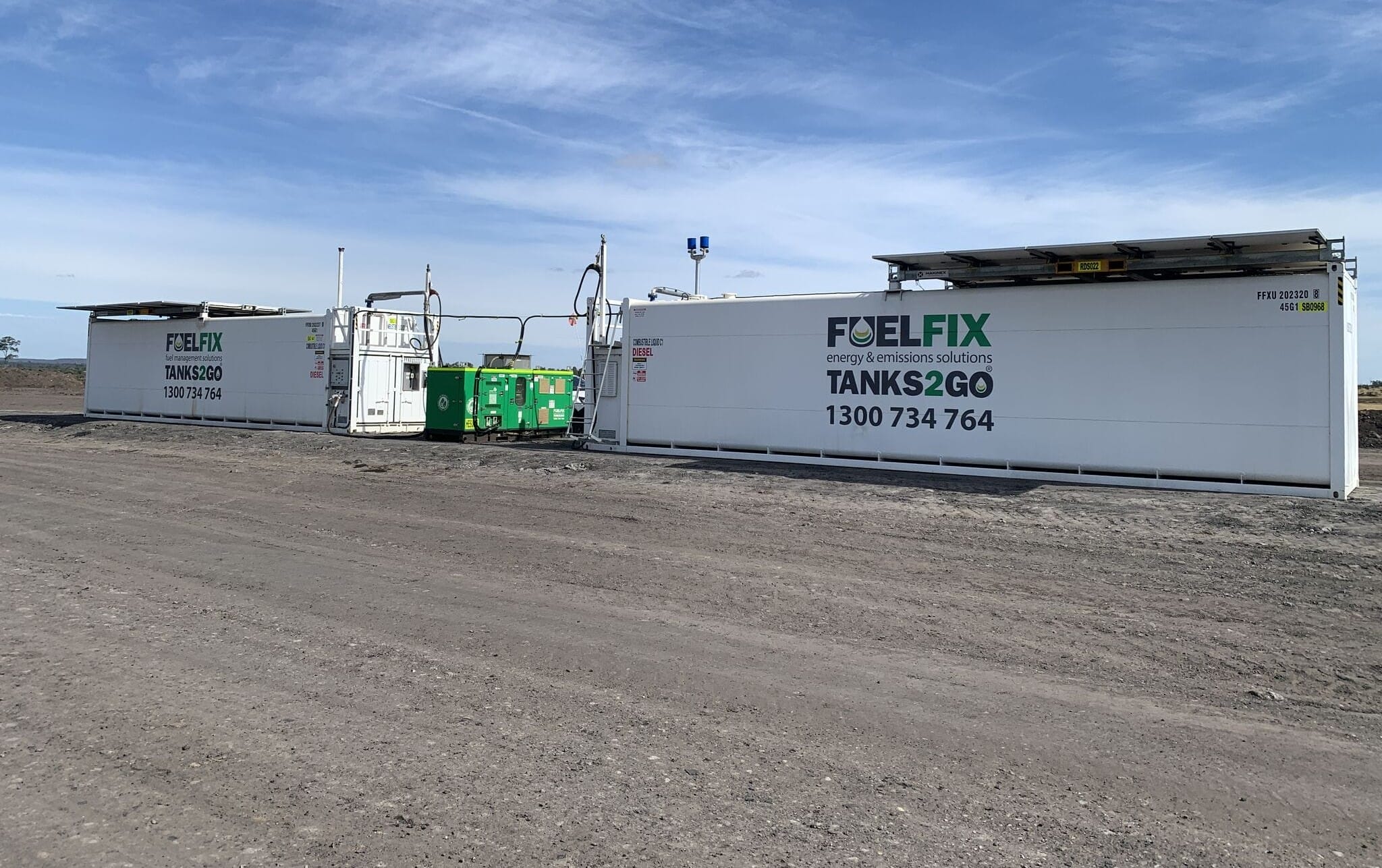
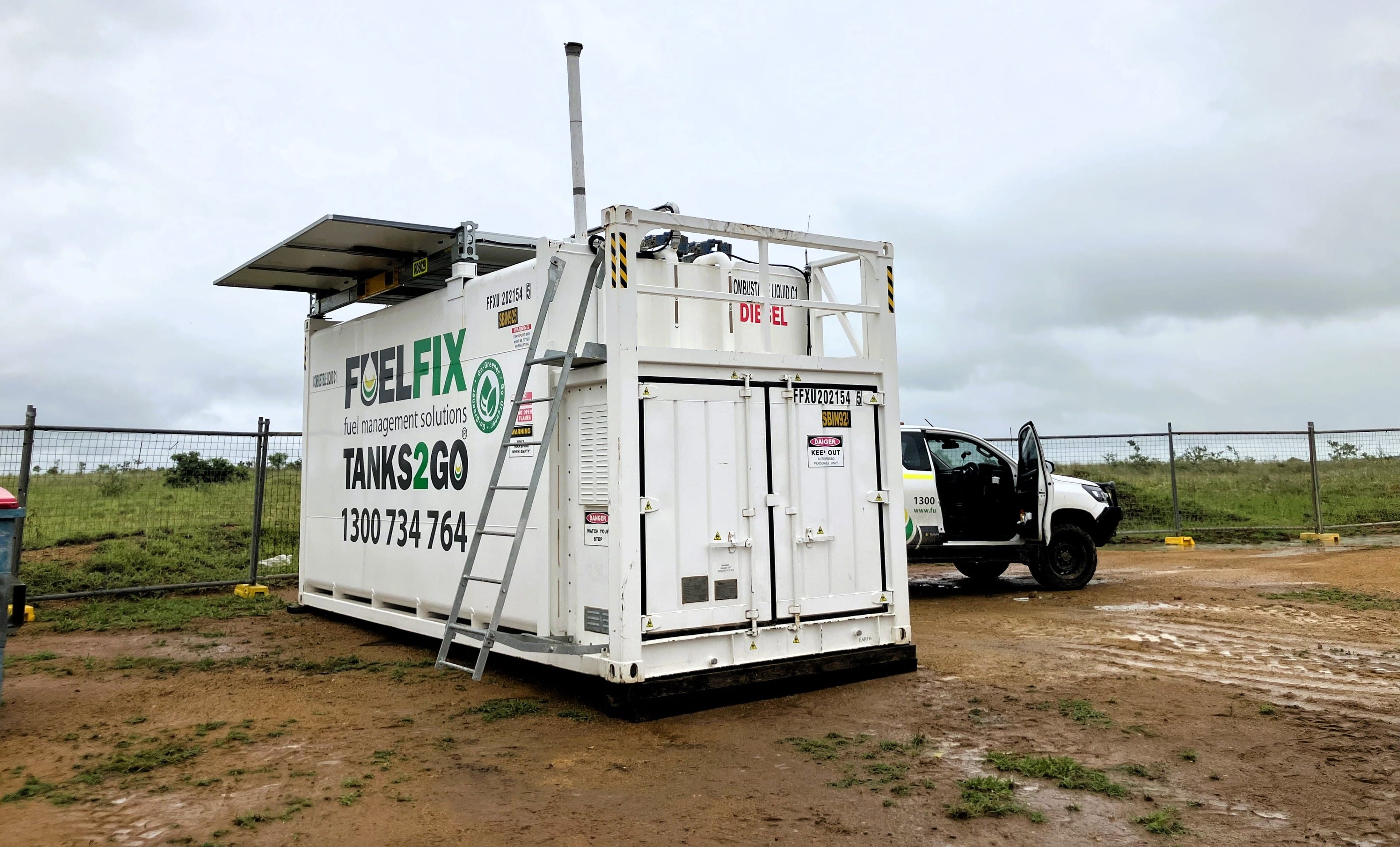
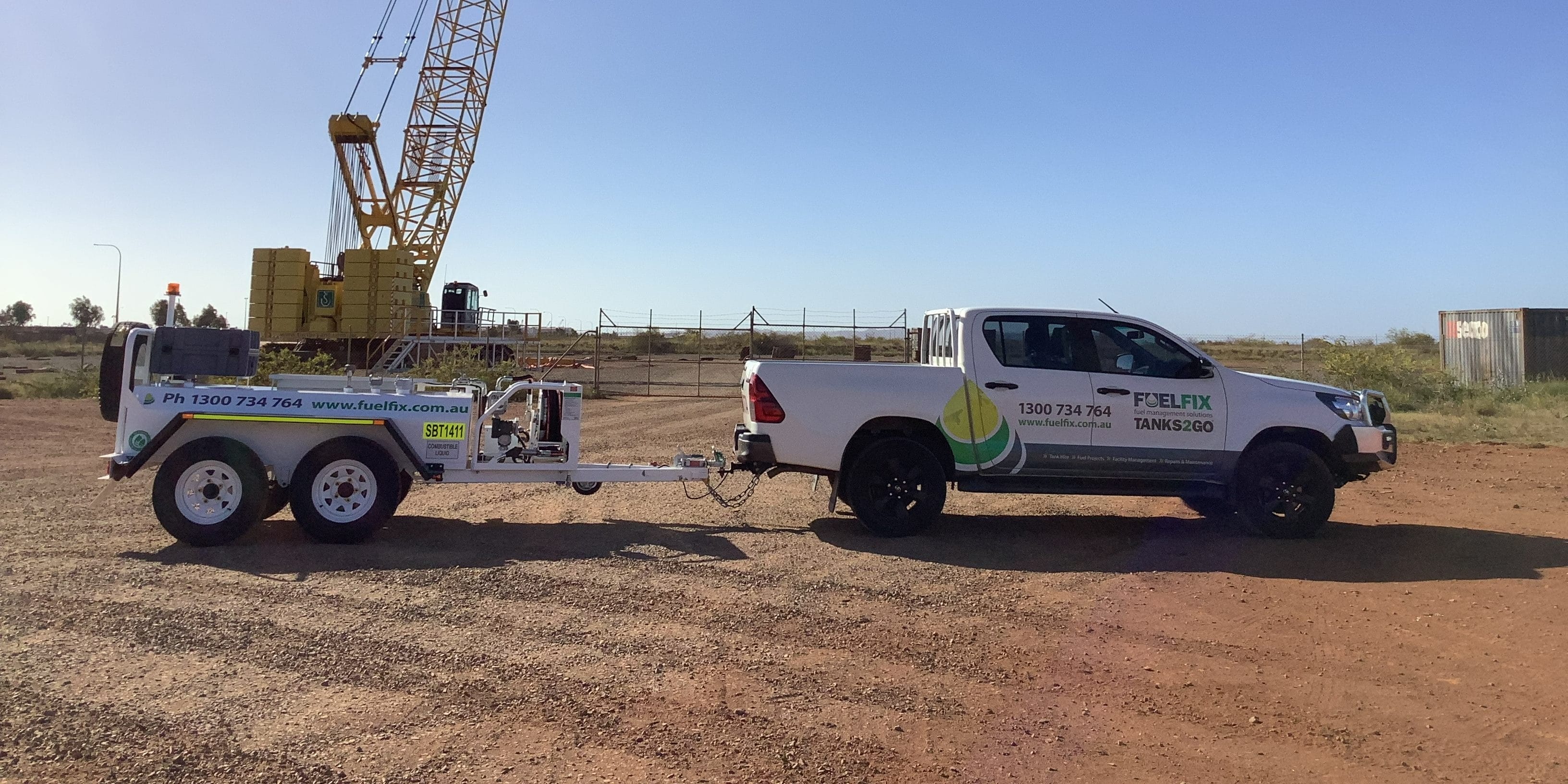
One of the most effective ways to mitigate fuel risk is by increasing temporary fuel storage capacity. Temporary fuel storage hire, including fuel tanks and fuel trailers, allows businesses to secure additional onsite fuel without long‑term capital commitment, particularly during periods of supply uncertainty.
🟩 Hiring temporary fuel storage allows organisations to secure fuel when pricing is favourable.
🟩 Onsite fuel reserves reduce reliance on just‑in‑time delivery.
🟩 Hire models avoid long‑term capital commitments during uncertain market conditions. Scale storage up or down as operational needs change.
Temporary fuel storage is particularly valuable for remote or high consumption sites, where delivery delays or access constraints can have a significant operational impact.
👉 Check our fuel tank hire solutions and fuel trailer hire for remote sites
Reducing incidental fuel use through smarter placement
Contingency planning isn’t just about having more fuel, it’s also about using fuel more efficiently. Poorly positioned storage, unnecessary double handling and extended refuelling times increase incidental fuel consumption and compound supply risk during disruption events. By placing the right storage where fuel is needed, businesses can cut extra use and improve operational efficiency.
This approach:
🟩 Lowers total fuel consumption
🟩 Improves site safety
🟩 Reduces vehicle movements and handling risk
👉 Benefits of fuel hire – Discover 10 reasons to hire a self bunded fuel tank for your facility
Proven capability when fuel supply chains are disrupted
Fuel supply disruptions rarely follow a single pattern. Whether driven by geopolitical instability, logistics constraints or access issues, the outcome is the same: organisations must respond quickly to maintain fuel availability and operational control.
Fuelfix’s experience supporting customers through severe supply constrained environments has shaped how we approach contingency fuel planning today. In situations where traditional delivery models failed, Fuelfix has deployed temporary, compliant and rapidly scalable fuel solutions to keep critical operations running.
For example, when access routes were cut and deliveries became unreliable in parts of regional Australia, Fuelfix supplied self bunded fuel storage tanks to support essential power and infrastructure crews operating in isolated locations. With fuel unable to be delivered as normal, onsite storage ensured generators and equipment could continue operating until supply chains stabilised.
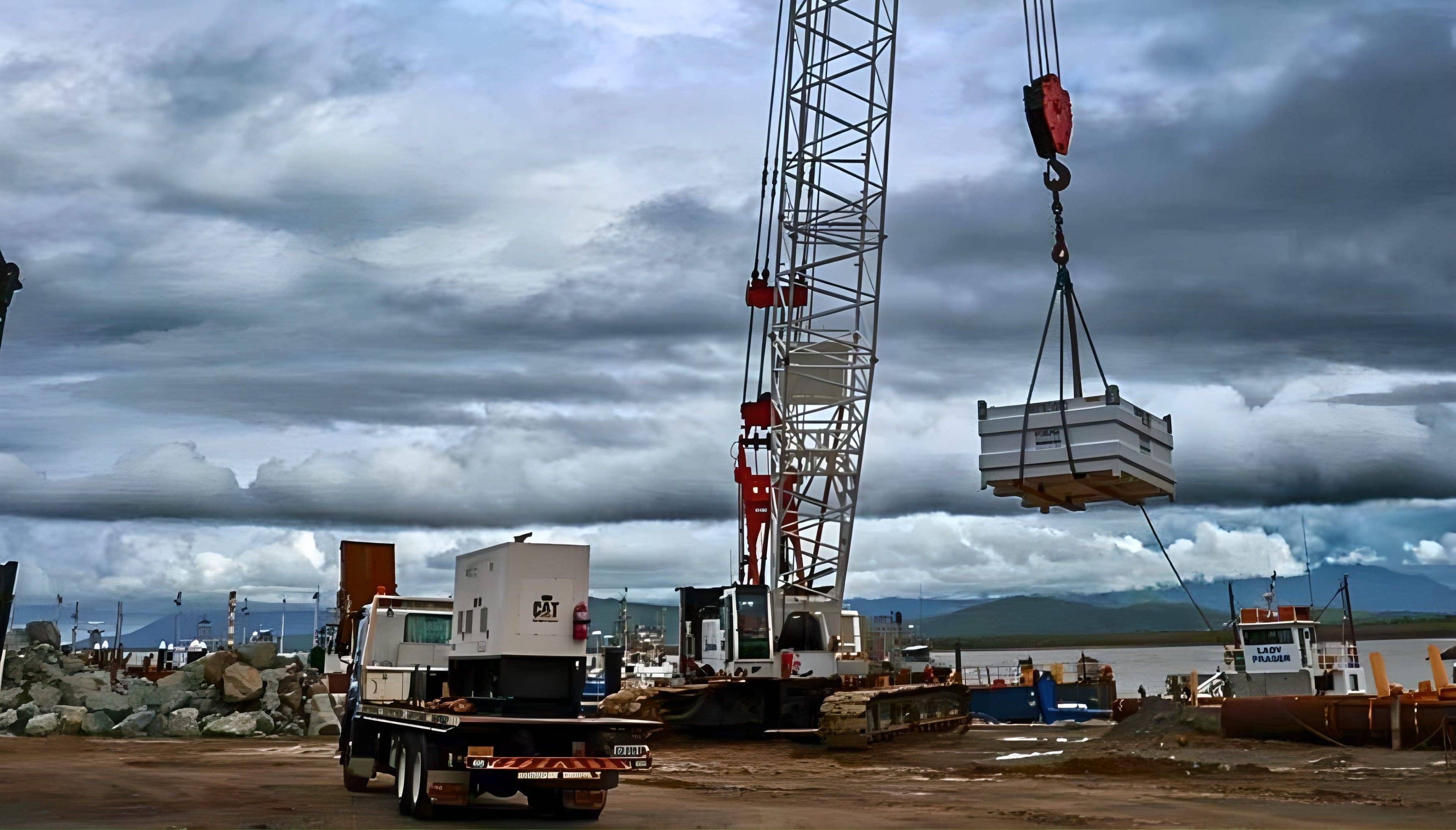
In similar disruption scenarios, Fuelfix has worked alongside utility operators and emergency response teams, providing temporary fuel storage and fuel trailers that reduced reliance on just in time delivery. These hire based solutions allowed teams to remain mobile, adapt to changing conditions and maintain fuel access even as broader supply networks were under pressure.
Across agriculture and remote operations, Fuelfix has also supported customers by implementing onsite refuelling and mobile fuel solutions when bulk deliveries were delayed or unavailable. By bringing fuel closer to where it is used, these contingency measures helped protect productivity and reduce exposure to extended supply interruptions.
These experiences reinforce a core principle of effective contingency planning: fuel security depends on flexibility, access and speed of deployment. The same capabilities that support customers through physical access constraints are critical when global fuel markets become volatile and supply certainty cannot be assumed.
Conserving fuel with battery and hybrid solutions
As fuel supply comes under pressure, many organisations are reassessing how fuel is consumed, particularly through generators.
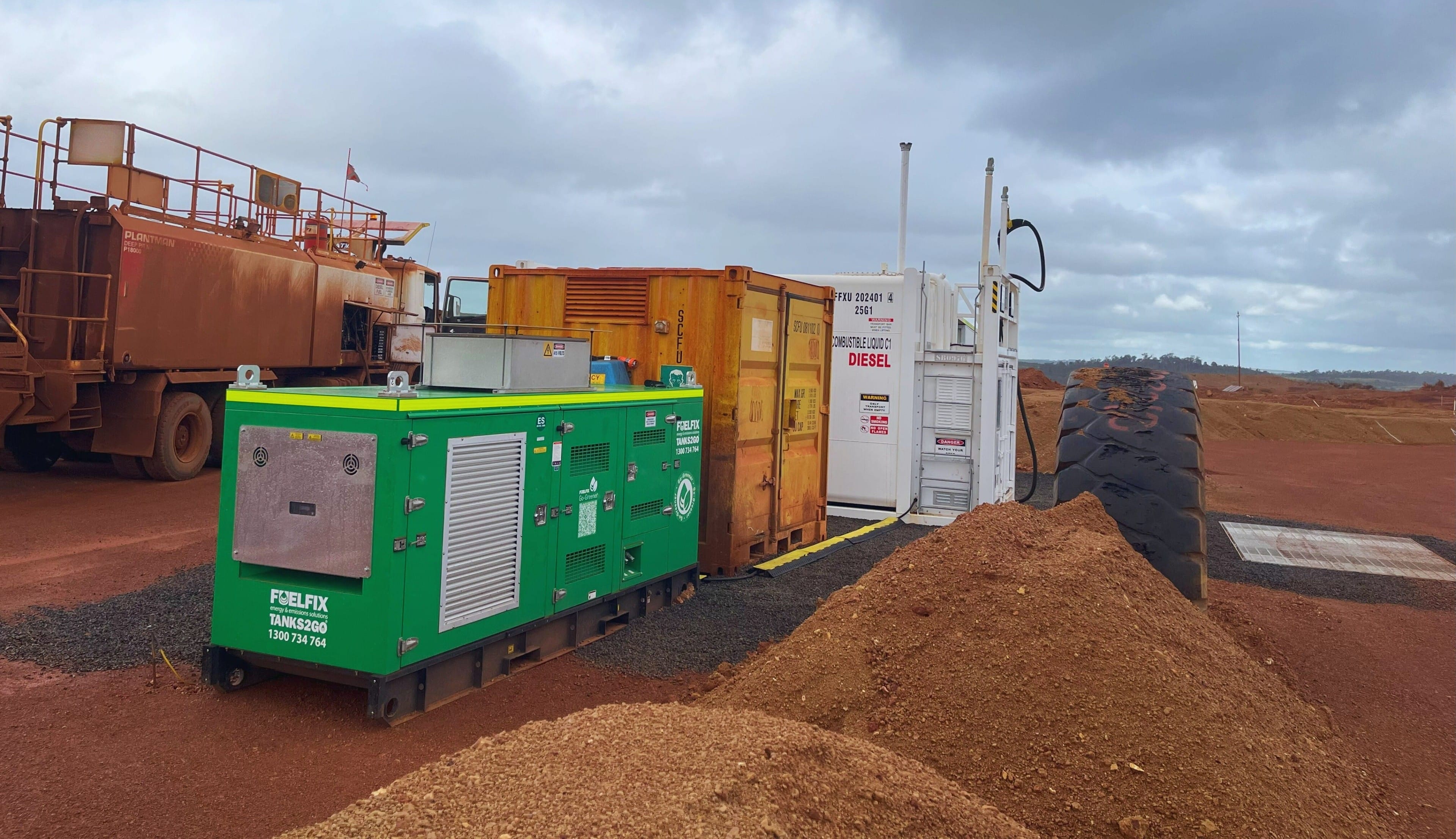
Battery and hybrid power systems can significantly:
🟩 Reduce genset runtime
🟩 Lower overall fuel burn
🟩 Maintain reliable power during supply disruption
By integrating battery or hybrid solutions into a contingency plan, businesses can stretch available fuel further while maintaining uptime.
👉 Start building your contingency plan with our Fuel and power backup equipment
Contingency planning without long term commitment
Uncertain conditions make long term capital decisions challenging. That’s why hire based fuel solutions are a practical and low risk way to respond.
Hiring fuel storage and power solutions allows your business to:
🟩 Act quickly without capital expenditure
🟩 Adjust equipment as conditions change
🟩 Implement short or long term mitigation strategies
This flexibility is particularly valuable when disruption timelines are unclear, but the operational risk is real.
Experience supporting fuel critical industries
Fuelfix has extensive experience supporting fuel dependent industries across Australia, from mining and civil construction to transport, agriculture and emergency services.
With a national footprint and the ability to deploy solutions to remote locations, Fuelfix works with customers to develop practical, scalable contingency fuel plans that protect operations during uncertain conditions.
Strong supplier relationships, proven logistics capability and reliable reporting systems help ensure continuity of supply when it matters most.
Prepare now, not later
Fuel disruption may be temporary, but the consequences of being unprepared can be lasting. Reviewing your fuel contingency plan now puts your business in a stronger position to manage volatility, protect productivity and maintain operational control. If fuel availability, pricing or continuity would impact your operation, now is the time to act.
Speak with Fuelfix about temporary fuel storage hire, fuel tank hire, or mobile fuel trailer hire solutions tailored to your operational needs.